%20rotate(-10.9)'/%3e%3cpath%20fill='%236248ff'%20d='M93.41,39.8A12.23,12.23,0,0,0,81.19,52v3h3A12.23,12.23,0,0,0,96.43,42.82v-3Z'/%3e%3c/g%3e%3c/svg%3e)
Shipping
GTIN / UPC
Sign up to view barcode detailsOverview
Description
Golden Monkey will expand your notion of how black tea tastes. You’ll notice the texture: eminently smooth like custard. Prominent aromatics evoke caramel, with hints of floral honey, and a nuttiness on the back end. The body remains lighter than some black teas, but with a satisfyingly earthy heart: sweet like fresh loam. This tea brews with zero bitterness. It rewards multiple steeps, or gong fu brewing, as well as any black tea we know.
Golden Monkey is our premier tippy black tea, showcasing the golden-colored buds, or tips, of the tea plant. Pickers harvest a bud and only the first leaf, rather than the more typical bud with two leaves. Buds (the youngest growth on the tea plant) generally contain more caffeine than the leaves, with a more nuanced flavor profile. Tea buds are also rich in nutrients. They contribute a soft fuzz that falls apart easily, called pekoe, so you might notice dust in your bag of tea. Savor it, like you might savor the crema on a cup of espresso.
Traditionally, Golden Monkey comes from Fujian and Yunnan provinces. We source ours from a 70-year-old family-owned farm in Fujian. And because we enjoy it so much, we decided to offer another tea of the one bud, one leaf style: Golden Eyebrows Jin Jun Mei.
Product details
Pack and pricing
- Case pack
- 5 units
- Case weight
- 0 oz
- MSRP
- $7.00
- Packaging
- Pouch
Product identifiers
- Category
- Loose Leaf
Origin and handling
- Country of origin
- United States
- Storage
- Shelf-Stable
Nutritional information
Ingredients
Chinese black tea
Learn about Lake Missoula Tea Company
Shop the brand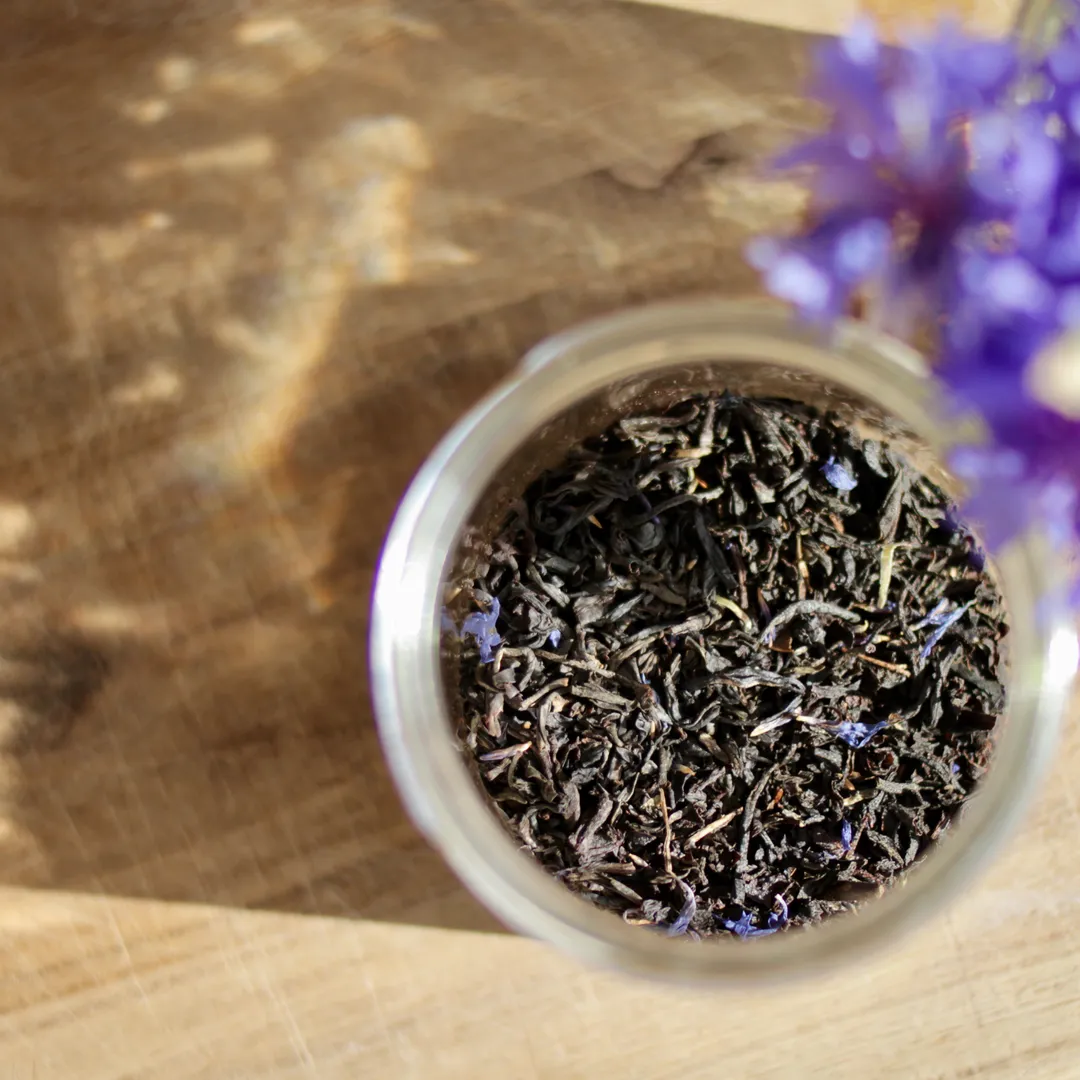
Lake Missoula Tea CompanyEstablished 2012
Our mission is to bring you direct-sourced, premium loose leaf teas from around the world. Since 2012, we have traveled all over the globe and built strong relationships with farms we source from today. These trips allow us to build a sustainable, organic source of quality teas from farms working at the village scale. Despite being relatively inaccessible due to their remote, wildland settings, we’ve witnessed the establishment of a workforce – pickers, processors, and farmhands – helping drive local economic development. These personal relationships show how stewardship and tea quality go hand in hand.