%20rotate(-10.9)'/%3e%3cpath%20fill='%236248ff'%20d='M93.41,39.8A12.23,12.23,0,0,0,81.19,52v3h3A12.23,12.23,0,0,0,96.43,42.82v-3Z'/%3e%3c/g%3e%3c/svg%3e)
Shipping
GTIN / UPC
Sign up to view barcode detailsOverview
Description
Panda Ruby Red is an organic Nepalese tea, grown at the base of the Himalayas. The nuance in this tea builds the longer you sip it. The aroma gives a dark, sweet impression, both fruity and malty, not unlike dark chocolate. But then the first sip will surprise you—lighter in body than you might have guessed. The cup tastes clean, with a transparent profile, allowing a wide range of flavor notes to come through, one after another. There’s a nice, chewy center, with a maple sweetness that hits the back of the throat. Along the top end, you’ll notice several fruity, spicy, almost smoky notes. When you re-steep the tea leaves, it tastes lighter, brighter, with all these flavors coming through more distinctly. This tea is worth spending time with.
We directly source this single-origin black tea through the Red Panda Network in Nepal. Red pandas, like many endangered animals, have been driven near to extinction due to poaching and deforestation. We’re proud to carry this tea, and to support the Network’s important mission of restoring red panda habitat, while also building a sustainable economy on the ground.
Purchase of Panda Ruby Red directly supports the Red Panda Network in Nepal. Think of these contributions as you spend time with this tea.
Product details
Pack and pricing
- Case pack
- 5 units
- Case weight
- 0 oz
- MSRP
- $7.00
- Packaging
- Pouch
Product identifiers
- Category
- Loose Leaf
Origin and handling
- Country of origin
- United States
- Storage
- Shelf-Stable
Nutritional information
Ingredients
Organic Nepalese black tea
Learn about Lake Missoula Tea Company
Shop the brand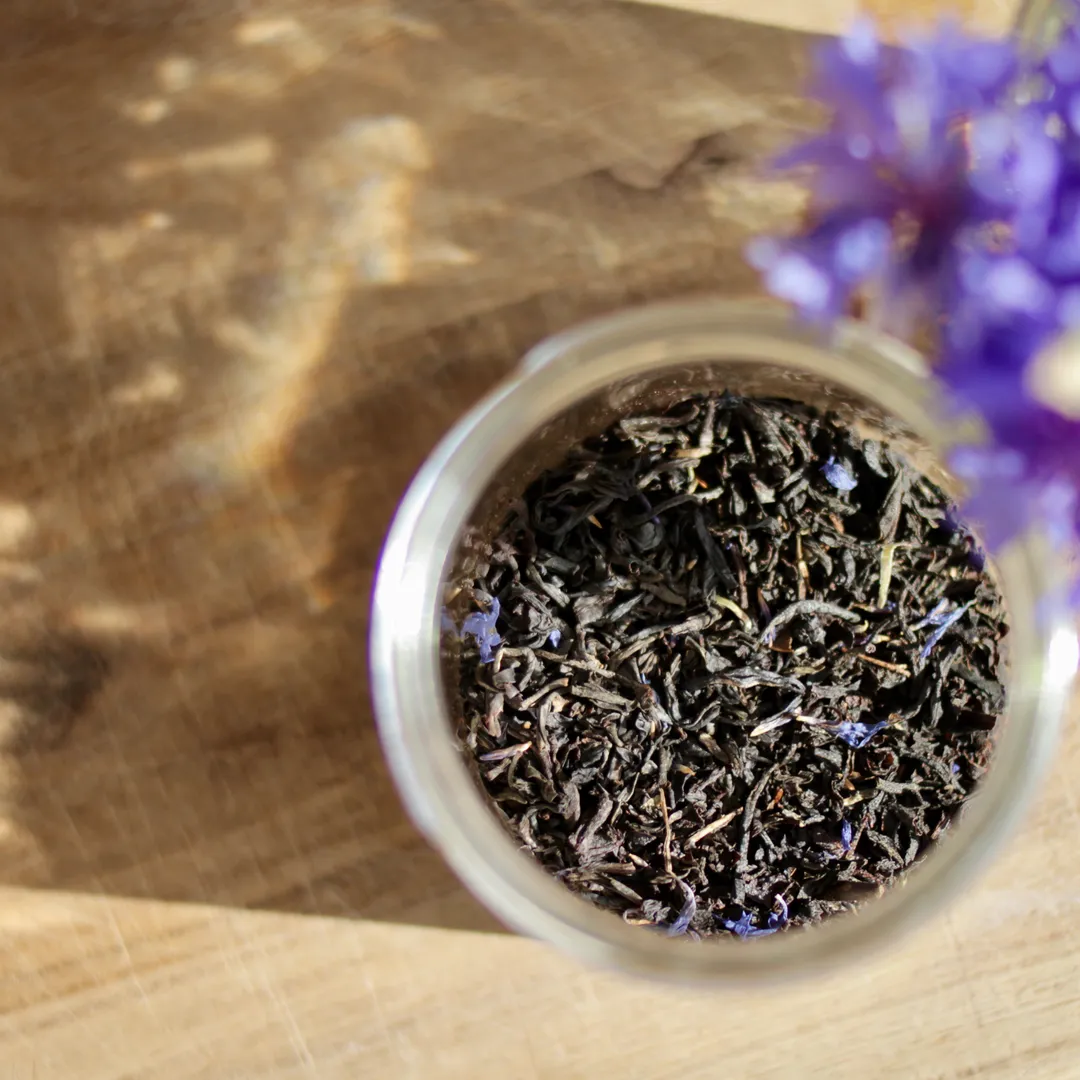
Lake Missoula Tea CompanyEstablished 2012
Our mission is to bring you direct-sourced, premium loose leaf teas from around the world. Since 2012, we have traveled all over the globe and built strong relationships with farms we source from today. These trips allow us to build a sustainable, organic source of quality teas from farms working at the village scale. Despite being relatively inaccessible due to their remote, wildland settings, we’ve witnessed the establishment of a workforce – pickers, processors, and farmhands – helping drive local economic development. These personal relationships show how stewardship and tea quality go hand in hand.