%20rotate(-10.9)'/%3e%3cpath%20fill='%236248ff'%20d='M93.41,39.8A12.23,12.23,0,0,0,81.19,52v3h3A12.23,12.23,0,0,0,96.43,42.82v-3Z'/%3e%3c/g%3e%3c/svg%3e)
Shipping
GTIN / UPC
Sign up to view barcode detailsOverview
Description
Attributes
Product details
Pack and pricing
- Case pack
- 12 units
- Case weight
- 2 oz
- MSRP
- $22.99
- Packaging
- Pouch
Product identifiers
- SKU
- 34231
- Category
- Loose Leaf
Origin and handling
- Country of origin
- United States
- Storage
- Shelf-Stable
- Shelf life
- 6-12 months
Nutritional information
Ingredients
Mamaki
Certifications
Learn about Nakihalani Farm
Shop the brand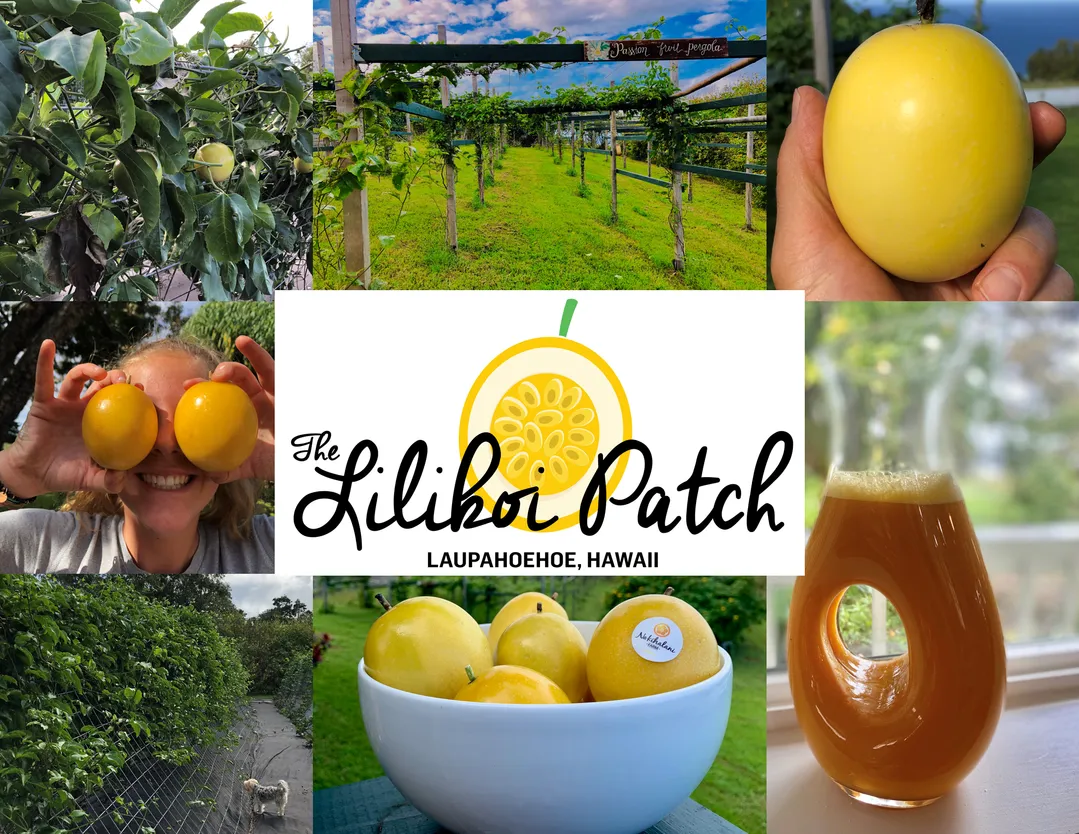
Nestled on the slopes of Mauna Kea along the stunning Hamakua Coast lies Nakihalani, an 11-acre farm rich in history and connection to the land. The area is believed to have welcomed its first inhabitants around 300 AD—people deeply rooted in spiritual and physical harmony with nature. By 1915, during the sugar cane era, Japanese immigrants homesteaded the land, originally named Nakihalani in the Hawaiian Kingdom’s 1848 land grants. Now owned and renovated by Chicago natives Mike and Jackie Nakamura, the farm sits at 650 feet elevation and features lush plantings of Lilikoi (passion fruit) and Mamaki tea. It also produces white pineapples, citrus, avocados, and a variety of herbs, flowers, and ornamental gingers. An on-site apiary supports pollination and honey production. Today, Nakihalani Farm boasts the largest Lilikoi pergola and trellis system in the Hawaiian Islands. Mamaki, native to Hawaii, has long been used for health and wellness, while Lilikoi, introduced in the 1700s, thrives in the farm’s ideal microclimate. Together, they reflect the land’s legacy of abundance and care.