%20rotate(-10.9)'/%3e%3cpath%20fill='%236248ff'%20d='M93.41,39.8A12.23,12.23,0,0,0,81.19,52v3h3A12.23,12.23,0,0,0,96.43,42.82v-3Z'/%3e%3c/g%3e%3c/svg%3e)
Shipping
GTIN / UPC
Sign up to view barcode detailsOverview
Description
Dom Dom Assam brews a hearty cup: full-bodied and bold, yet with a medium texture. The astringent finish comes through clear as a bell, but without overpowering. If you enjoy teas from Assam, India, then this organic single-origin tea will suit you. Take in the robust aroma, with its familiar prune and malt notes. Enjoy the heft in the cup, characteristic of the assamica variety of Camellia sinensis. The cup tastes only slightly sweet, with savory leather notes. At 3 minutes, the cup tastes smooth and rich. If you add milk and sweetener, or if you enjoy stronger bitterness in the finish, then try a longer steep.
The “Dom Dom” in the name of this Assam black tea comes from the sound of elephants walking. We partner with tea farms that prioritize ecological health. That includes organic farming practices, as well as coexisting with regional wildlife—including elephants, which suffer from habitat loss, harassment, and hunting. Check out this amazing video from one of our Indian partner farms.
And for a flavorful twist on Assam teas, try our Birdsong Black, grown from assamica tea plants in the rich volcanic soil of the Colombian Andes.
Product details
Pack and pricing
- Case pack
- 1 units
- Case weight
- 0 oz
- MSRP
- $48.00
- Packaging
- Pouch
Product identifiers
- Category
- Loose Leaf
Origin and handling
- Country of origin
- United States
- Storage
- Shelf-Stable
Nutritional information
Ingredients
Organic Indian black tea
Learn about Lake Missoula Tea Company
Shop the brand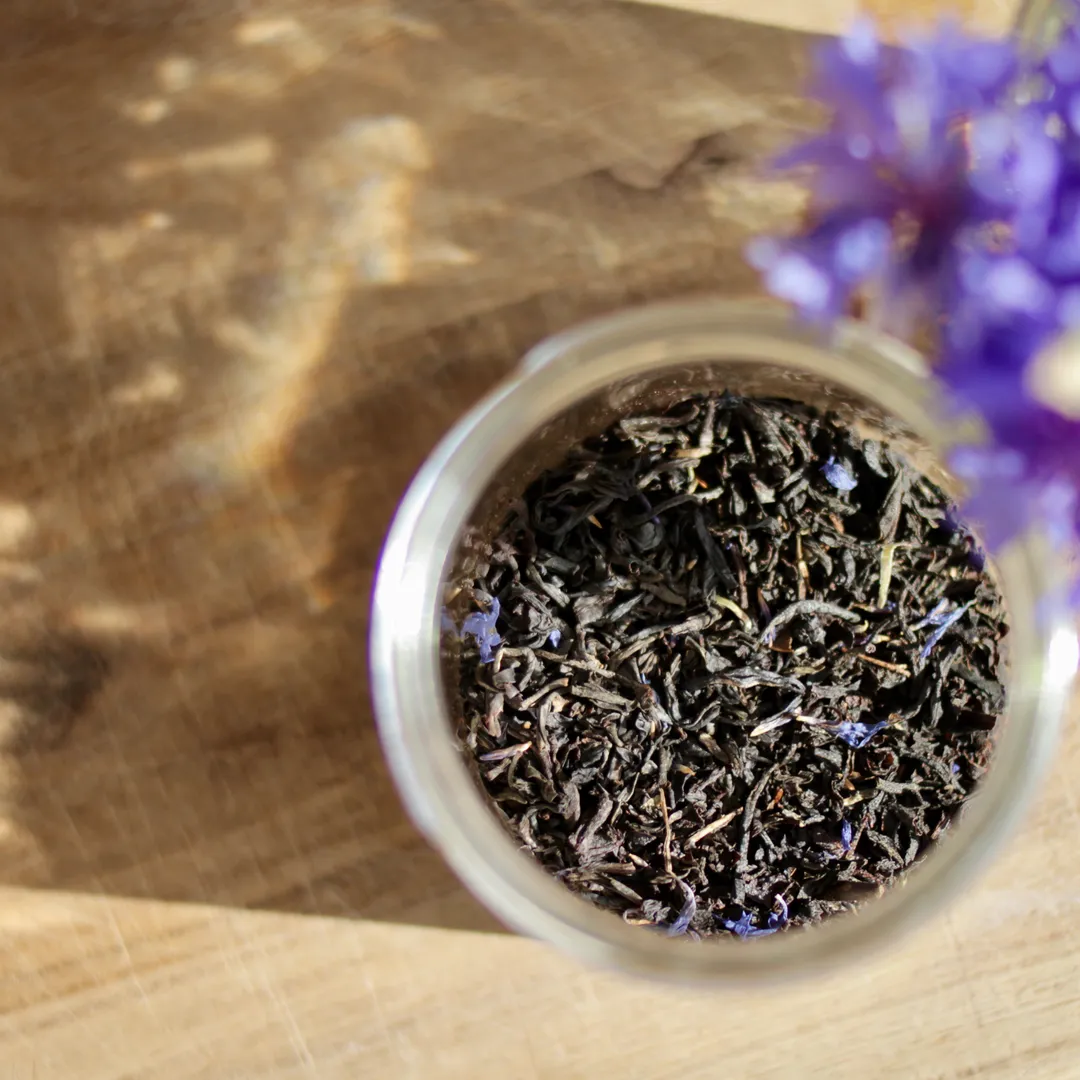
Lake Missoula Tea CompanyEstablished 2012
Our mission is to bring you direct-sourced, premium loose leaf teas from around the world. Since 2012, we have traveled all over the globe and built strong relationships with farms we source from today. These trips allow us to build a sustainable, organic source of quality teas from farms working at the village scale. Despite being relatively inaccessible due to their remote, wildland settings, we’ve witnessed the establishment of a workforce – pickers, processors, and farmhands – helping drive local economic development. These personal relationships show how stewardship and tea quality go hand in hand.